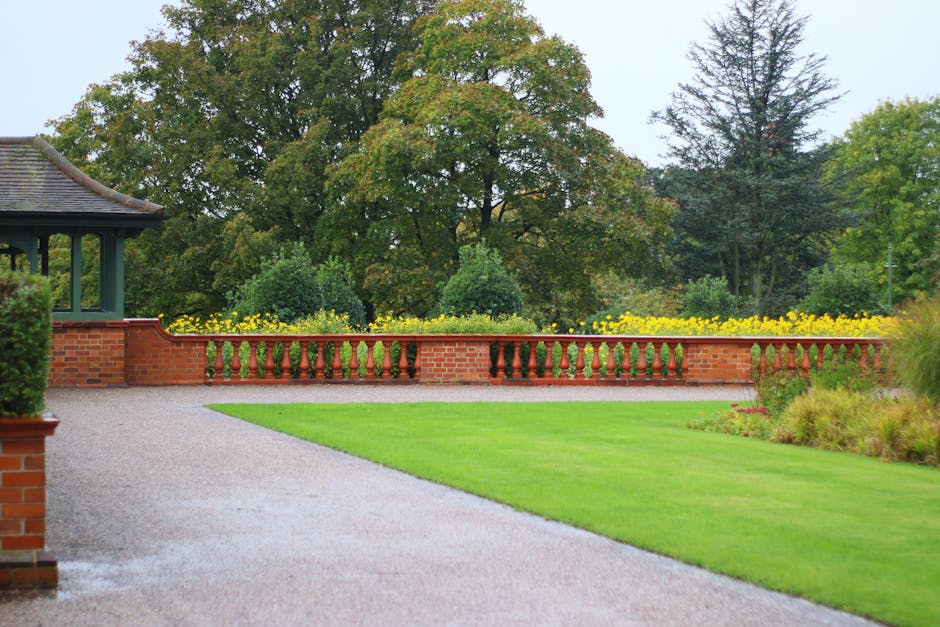
Charlton Park gardeners guide for small fenced gardens
If you have a small fenced garden in Charlton Park, you already know the upsides and the headaches. Privacy is great. Safety is reassuring. But space disappears fast once you add a path, a shed, a chair, a few pots, and-suddenly-the whole thing feels tight. This Charlton Park gardeners guide for small fenced gardens is built to help you make the most of every metre without making the garden feel crowded or fussy.
The good news? Small fenced gardens can be some of the most rewarding spaces to work on. They warm up quickly, feel enclosed in a cosy way, and, with the right planting and layout, can look much larger than they are. The trick is not to cram in more. It is to choose better. A little structure, a few clever decisions, and some local know-how go a long way.
In practice, that means understanding light, access, boundaries, soil, maintenance, and the everyday realities of a compact outdoor space. If you are weighing up improvements, you may also find it useful to look at related local help such as garden maintenance support, landscaping services, or even broader gardener services if your garden needs a more joined-up approach. For some homes, a neat edge or seasonal refresh is enough; for others, the whole layout needs a rethink. Either way, let's make it practical.
One quick note before we begin: small fenced gardens often have their own rhythm. You hear more birds, notice the smell of damp soil after rain, and spot issues sooner too. That can be a blessing. It also means a wobbly fence panel, a patch of shade, or a thirsty plant will announce itself pretty quickly. Better to work with that, not against it.
Why Charlton Park gardeners guide for small fenced gardens Matters
Small fenced gardens are common across London because they suit terraced homes, compact plots, and family spaces where privacy matters. In Charlton Park, fencing usually does more than mark a boundary. It shapes how the whole garden feels. A fence can shelter from wind, create a sense of calm, and give children or pets a secure area. It can also cast shade, reduce airflow, and make a narrow space feel even narrower if the design is off.
That is why a focused guide matters. A garden of this size does not need the same treatment as a large open plot. You cannot treat every square metre as if it were endless. You have to make decisions. Should the seating area be central or tucked away? Should the fence be softened with climbers, or kept crisp and simple? Is it better to raise planting up the vertical plane, or keep things low and open? Small choices have a big visual effect.
In our experience, the gardens that work best are the ones that feel intentional. Nothing looks accidental. Even a tiny strip beside the fence is doing something useful-screening a view, supporting pollinators, or leading the eye toward a focal point. That is the real value here: a small fenced garden becomes easier to live with, easier to maintain, and more enjoyable day to day.
If the garden is also part of a larger home improvement plan, some readers choose to combine planting work with broader outdoor updates. For example, a tidy path or fresh border layout may sit neatly alongside groundworks or even fencing services if the boundary needs attention first. Not glamorous, perhaps, but very sensible.
How Charlton Park gardeners guide for small fenced gardens Works
The approach is simple, though the thinking behind it is detailed. You start by looking at the garden as a series of functions rather than a blank square. What do you actually need from it? Seating, play space, storage, privacy, flowers, shade, low maintenance, or all of the above? Once you know that, you can design around priorities instead of trying to squeeze everything in.
For small fenced gardens, the usual process follows a pattern:
- Measure the usable space rather than the whole plot.
- Map light and shade across the day.
- Check fence condition and how much vertical planting it can support.
- Choose a layout that keeps movement easy.
- Pick plants that suit the available light, soil, and maintenance level.
- Finish with detail such as edging, containers, and a small number of repeated materials.
That sequence sounds straightforward, and mostly it is. The hard part is restraint. Small fenced gardens are famous for being overworked: too many paving materials, too many plant species, too many ornaments, too many competing ideas. The better method is usually a simpler one. Repeat one or two surfaces, use a limited colour palette, and build height where the ground area is limited.
A useful way to think about it: the fence is not just a boundary, it is a design surface. You can train climbers, mount trellis, soften hard lines with evergreen structure, or leave sections open for a cleaner, more modern look. The right answer depends on your privacy needs and the mood you want. Cosy and enclosed? Or airy and light? Both can work, but not if you mix them carelessly.
If you are planning more than planting, you may want to see how other services fit the picture. Some gardens benefit from a first pass of turfing and lawn care, while others need practical tree or shrub management through tree surgery. The right sequence matters more than people think. A beautiful plant scheme can be ruined by a tree that throws too much shade. Simple as that.
Key Benefits and Practical Advantages
The strongest benefits of a well-planned small fenced garden are often felt rather than noticed. You walk out, close the door, and the space feels calm instead of cluttered. That, frankly, is worth a lot.
1. Better use of limited space
Good planning turns tight corners, awkward fence lines, and narrow runs into useful features. A bench under a fence, a layered border at the back, or a small paved pocket for two chairs can make the garden feel much more complete.
2. More privacy without heaviness
Fences already give privacy, but the wrong planting can make a garden feel boxed in. Carefully chosen climbers, pleached shapes, or light-feeling shrubs can add screening without closing everything down.
3. Lower maintenance when designed well
There is a lovely myth that small gardens are always easy. Not quite. A cramped layout with thirsty bedding, awkward corners, and too many materials can actually become more fiddly than a larger garden. A clean, disciplined layout cuts down on weeding, pruning, and general faff.
4. More year-round structure
Because fenced gardens are enclosed, they can look bare in winter if all the interest comes from summer flowers. A mix of evergreen structure, bark texture, grass movement, and clipped form gives the garden something to hold onto through the colder months.
5. Better value from every planting choice
In a compact garden, one strong shrub or climber has more visual impact than half a dozen weak choices. That makes each planting decision matter more, and in a good way. You are not just filling space. You are shaping it.
Expert summary: In a small fenced garden, the best results usually come from fewer, better decisions. Repeat materials, keep circulation clear, use the fence as a vertical design asset, and choose plants that suit the exact light conditions rather than the idealised ones.
That last point is worth repeating. Suit the site, not the fantasy.
Who This Is For and When It Makes Sense
This guidance is useful for a few different kinds of people. You might be a homeowner trying to make a modest garden feel more usable. You may be a landlord or property manager wanting something neat and low-fuss. Or you may have just moved into a place with a small enclosed garden and realised, a bit late, that the previous layout is not helping.
It also makes sense if you are dealing with any of these situations:
- A narrow garden that feels like a corridor
- Fence lines that make the space feel dark or enclosed
- Poor drainage near the boundary
- Plants that outgrew the space years ago
- Too much paving and not enough softness
- A space that looks fine from one angle but awkward from another
For families, a small fenced garden can work well if the layout is resilient and there are no pinch points. For keen gardeners, the challenge is squeezing in variety without chaos. And for people who want low maintenance, the aim is to create a space that still feels alive, even if you do not spend every weekend out there with secateurs.
Truth be told, small fenced gardens suit people who like order. Not perfection-nobody needs that nonsense-but a sense that things belong where they are. If you are the type to notice a crooked trellis at ten paces, you will probably enjoy shaping this kind of garden.
Step-by-Step Guidance
Here is a practical way to approach a small fenced garden in Charlton Park without getting overwhelmed. Take it one step at a time. The whole thing becomes much easier once you stop trying to solve everything in one afternoon.
Step 1: Start with a proper site read
Look at the garden at different times of day. Morning light, late afternoon shade, the damp patch after rain-these details matter. Stand at the back door and then at the far end. What do you notice first? The fence? The bins? A dead corner? The best starting point is usually the bit that annoys you most.
Step 2: Define the main job of the space
Every small garden needs a primary purpose. Decide whether yours is mainly for relaxing, planting, entertaining, children, pets, or easy upkeep. You can have secondary goals too, but one main purpose keeps decisions honest.
Step 3: Fix the boundary before styling around it
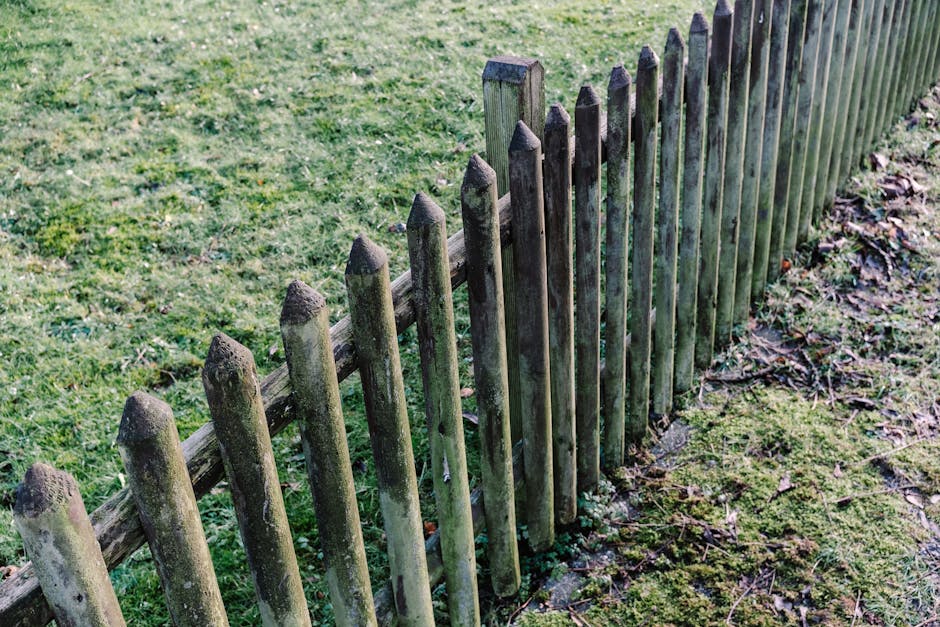
If the fence is leaning, patchy, mossy, or inconsistent, deal with that early. A tired boundary can make the whole garden look neglected, even if the planting is lovely. Sometimes the smartest first move is repair, not decoration. If needed, a focused boundary refresh through hedge reduction or fence work can change the feeling of the plot immediately.
Step 4: Keep movement clear
In small gardens, access should feel effortless. A path does not need to be wide, but it should be obvious. Avoid forcing people to step around planters or cross muddy corners. When circulation is easy, the garden feels bigger than it is. Funny how that works.
Step 5: Build structure from the edges inward
Use the fence line for height, then layer down into the middle with medium shrubs, ornamental grasses, or low planting. This creates depth without crowding the centre. A useful rule: tall at the back, medium in the middle, low at the front. It is not revolutionary, but it is reliable.
Step 6: Pick a restrained plant palette
Choose a few plants and repeat them. Repetition creates rhythm. For example, a combination of evergreen structure, a climber, a seasonal flowering plant, and one or two textural fillers is often enough. In tiny gardens, repetition is your friend. Chaos is not.
Step 7: Add containers only where they earn their keep
Containers are useful, but they can easily become clutter. Use them to solve a problem, not just fill a gap. A large pot by a seating area, for instance, can act as a focal point and make the area feel deliberate. Ten small pots scattered everywhere? Less helpful.
Step 8: Finish with lighting, edges, and one focal point
A simple light, a clean edge, or a single visual anchor such as a small tree, sculpture, or bench can pull the whole space together. Do not underestimate the power of one well-placed feature. The eye likes a resting place.
Expert Tips for Better Results
A few practical habits separate a decent small garden from a really good one. Nothing flashy. Just the kind of choices that quietly improve everything.
- Use vertical space wisely. Trellis, climbers, wall planters, and narrow shelving can free up the ground without making the garden feel cramped.
- Repeat materials. One paving style, one fence finish, one or two container colours. Repetition creates calm.
- Choose plants for scale. Not every pretty plant belongs in a small garden. Some will bully the space in no time.
- Prioritise evergreens. They keep shape through winter and stop the garden looking stripped bare.
- Leave breathing room. Small gardens actually need some emptiness. A bit of negative space makes the planting look better.
- Check maintenance access. Can you reach the back of the border without trampling the front? If not, rethink the depth.
- Think about view lines. What do you see from the kitchen window? That view matters almost as much as the space itself.
One small but useful tip: do not put every feature against the fence. The instinct is understandable, but if all the interest lives on the perimeter, the middle can feel like a leftover patch. Let the centre have a role too, even if it is just a clean lawn square or a little gravel sitting area.
Also, if the garden is visibly exposed to wind, especially in open parts of Charlton Park, choose planting that can cope. Thin, floppy plants can look miserable after a week of gusts. You know the look-slumped, straggly, and a bit offended by the weather.
Common Mistakes to Avoid
Most disappointing small gardens are not badly built. They are overcomplicated. Here are the mistakes that show up again and again.
Too many plant types
It is tempting to buy one of everything. Resist that urge. A small fenced garden needs cohesion more than variety. Too many species can make the space feel busy and oddly nervous.
Ignoring shade from fencing
High fencing can create deep shade along the boundary. If you plant sun-lovers there, they will struggle, and you will spend more time replacing them than enjoying them.
Overfilling the space
Every surface does not need to be used. Really. A small amount of open ground can make the garden feel much more breathable.
Choosing awkward furniture
Bulky outdoor furniture can swallow a compact garden. Foldable or slimline pieces are often better, especially if the space has to serve multiple purposes.
Forgetting drainage
Water can pool near fences, patios, and compacted borders. If you have damp, boggy patches, address the cause rather than disguising it with mulch and hope. Hope is not a drainage plan.
Skipping long-term maintenance
A small garden looks easy to maintain until the first burst of growth. Then a few shrubs, a climber, and a lawn can become a lot. Choose plants and layouts you can actually keep on top of.
One more thing: avoid planting too close to the fence unless you know the mature spread and root behaviour. That close-packed corner may look neat on day one, but two summers later it can feel cramped, difficult to prune, and a bit tense all round.
Tools, Resources and Recommendations
You do not need a warehouse of kit to manage a small fenced garden well. In fact, a short, good-quality toolkit is usually better than a shed full of half-used gadgets.
Useful tools
- Sharp secateurs for regular pruning
- Hand fork and trowel for border work
- Compact spade for tighter areas
- Long-handled loppers for fence-side shrubs
- Hose or watering can with a rose for targeted watering
- Weed tool for narrow joints and edges
- Gloves with decent grip, because wet fence panels are no joke
Helpful materials
- Mulch to suppress weeds and retain moisture
- Gravel or bark for low-maintenance ground coverage
- Timber or metal trellis for vertical growing
- Quality compost matched to the planting plan
- Weather-resistant containers with proper drainage holes
What to look for in professional help
If you are hiring someone, ask whether they understand compact spaces, boundary conditions, and the maintenance burden that follows installation. A good gardener or landscaper will not just make the garden look nice on day one. They will explain how it will age, how often it will need pruning, and what might need replacing later.
For ongoing help, many homeowners prefer to combine services rather than treat each issue separately. A regular schedule for garden services can be more practical than one-off fixes, especially if the garden has fast-growing shrubs or seasonal beds that need hands-on care. If your plot has a more complex layout, it may also be worth exploring garden design before planting begins. A little planning saves a lot of rework.
And if the job involves hard landscaping, edging, or boundary adjustments, it can help to know how the wider outdoor project fits together. That is where patio installation or related hardscape work may come into the conversation. Not every small garden needs that level of intervention, but some do. Better to decide early than halfway through.
Law, Compliance, Standards, or Best Practice
For most small fenced gardens, there are no dramatic legal hurdles. Still, sensible best practice matters, especially in London where boundaries, access, and neighbouring properties can be close together. It is worth being careful and polite, because a garden project can affect more than just your own patch.
Boundary awareness
Before changing fencing, adding screening, or carrying out substantial work near the edge of the garden, check what belongs to you and what may be shared or maintained jointly. If there is any doubt, it is better to clarify early. That simple step can avoid awkward conversations later.
Planting near fences and walls
Plants can create pressure on fences if they are too vigorous or planted too close. Even if a climber looks harmless, it may need regular training and pruning to avoid damage. Good maintenance is part of the design, not an afterthought.
Neighbour consideration
If you are altering height, adding screens, or changing a boundary's appearance, keep the neighbour in mind. A taller fence or dense planting can affect light and outlook. In a tight urban setting, small changes can feel bigger than expected.
Safety and access
Any garden feature should still allow safe movement, especially if children, older adults, or pets use the space. Avoid sharp corners, unstable stepping stones, and narrow pinch points. And if you are using ladders, saws, or heavier equipment, use proper caution. Common sense, really, but worth saying.
On standards: when work is carried out by a professional, you should expect it to be safe, tidy, and appropriate to the site. If a task involves electrical lighting, drainage changes, or structural boundary work, ask about qualifications and the expected process before work begins. Not every garden job needs formal complexity, but there should always be clarity.
Options, Methods, or Comparison Table
Below is a simple comparison of common approaches for small fenced gardens. There is no universal best option; the right choice depends on how you want the space to feel and how much upkeep you are willing to take on.
| Approach | Best for | Advantages | Watch outs |
|---|---|---|---|
| Simple planting with open centre | Low-fuss family use | Easy access, calm feel, easier cleaning | Can feel plain if planting is too sparse |
| Vertical planting and trellis focus | Very tight spaces | Uses height, softens fences, adds privacy | Needs regular pruning and support |
| Container-led design | Renters or flexible layouts | Portable, adaptable, quick to refresh | Can clutter the space if overused |
| Mixed hardscape and border design | Entertaining and year-round structure | Looks polished, durable, useful for seating | Can feel hard if planting is weak |
For most Charlton Park gardens, a hybrid approach works best. A little structure, a little planting, and enough restraint to keep the whole thing breathable. That balance is where the magic usually sits.
Case Study or Real-World Example
Here is a realistic example based on a common small-garden brief. A homeowner has a narrow fenced garden that feels dark, with patchy turf, a tired fence, and a few shrubs that have grown too large for the space. The garden is visible from the kitchen, so it needs to look tidy most of the time, not just during peak summer.
The first move is to simplify. The overgrown shrubs are cut back or replaced with better-scaled planting. The fence is repaired and given a clean finish. A narrow paved sitting area is created near the house, with enough room for two chairs and a small table. Along the back fence, a layered border is planted using a restrained selection: an evergreen backbone, one flowering climber, and a couple of textural companions.
Instead of spreading lots of small pots around, one larger container is used as a focal point near the seating area. A small light is added for evening use. Nothing dramatic. But the garden now reads clearly: a place to sit, a place to plant, and a boundary that feels intentional rather than apologetic.
What changed most was not the number of features. It was the sense of order. The owner could open the back door and immediately see a garden that worked. And that, to be fair, is what most people want. Not perfection. Just a space that feels sorted.
Practical Checklist
Use this checklist before starting work or briefing a gardener. It keeps the project grounded.
- Measure the garden carefully, including narrow side runs and awkward corners
- Note where the sun falls at different times of day
- Check the condition of fencing, trellis, and boundary fixings
- Decide the garden's main purpose
- Choose one clear layout idea and avoid mixing too many themes
- Keep access routes open and simple
- Select plants that suit the actual light and exposure
- Limit the number of materials and pot styles
- Plan for maintenance, not just the first impression
- Think about how the garden looks from inside the house
- Allow space for watering, pruning, and general access
- Confirm whether any boundary work needs neighbour awareness
If you can tick most of these off, you are already ahead of the game. Honestly, that part alone saves a lot of regret later.
Conclusion
A small fenced garden in Charlton Park does not need to be big to be brilliant. It needs to be honest about its space, smart about its structure, and calm in its planting choices. Once you stop trying to make it do everything at once, the whole thing becomes easier-and nicer to live with.
The strongest results usually come from clear boundaries, well-chosen plants, practical access, and a little restraint. Whether you are improving a family garden, refreshing a quiet retreat, or planning a low-maintenance outdoor space, the same rule applies: design for the garden you actually have, not the one you imagined on a rainy Sunday afternoon.
If you would like help shaping your small fenced garden into something more usable and more beautiful, the next step is simple. Speak to a local professional who understands compact London gardens, boundary conditions, and the kind of day-to-day realities that make or break a design.
Get a free quote today and see how much you can save.
And if you do nothing else this week, just stand in the garden for five quiet minutes. You will notice more than you expect. That is often where the best ideas begin.
Frequently Asked Questions
What is the main idea behind a Charlton Park gardeners guide for small fenced gardens?
The main idea is to help you make a compact, enclosed garden feel more usable, attractive, and easier to maintain by using smart layout, suitable planting, and practical boundary treatment.
How do I make a small fenced garden look bigger?
Use a limited number of materials, keep paths clear, add vertical planting, repeat a few plant types, and avoid overcrowding the space. A calm layout usually reads larger than a busy one.
What plants work best near fence lines in small gardens?
Plants that stay relatively compact, tolerate local light levels, and can be pruned easily are usually best. Evergreen structure, climbers, and smaller shrubs often work well when matched to the site.
Should I put a lawn in a very small fenced garden?
Sometimes, yes, but only if it will genuinely be useful. In many very small gardens, a small lawn becomes awkward to maintain and can waste space. A paved or planted design may work better.
How much maintenance does a small fenced garden usually need?
That depends on the design. A simple layout with sturdy plants may only need light seasonal maintenance, while a planting-heavy garden with climbers and hedging will need regular trimming and tidying.
Is vertical planting a good idea for fenced gardens?
Yes, especially in tight spaces. Vertical planting uses the fence as a design surface and can add privacy and texture without taking up much ground area. It does, however, need proper support and pruning.
What should I do if my fence makes the garden too shady?
Choose shade-tolerant plants, lighten the fence finish if appropriate, and avoid planting sun-loving species in the darkest spots. Sometimes a lighter boundary colour helps more than people expect.
Can I combine garden design and maintenance in one project?
Absolutely. In fact, it often works better to plan the layout and the maintenance routine together. That way, the garden stays attractive after the first flush of work has settled down.
How do I stop a small garden from feeling cluttered?
Limit the number of features, repeat shapes and materials, and leave some open space. A single focal point usually looks better than several small competing ones.
Do I need permission to change my fence or boundary planting?
It depends on ownership, boundary agreements, and the scale of the work. If you are unsure, check before making major changes. It is always better to clarify than assume.
What is the best low-maintenance option for a fenced garden?
A restrained layout with durable materials, evergreen structure, and a small number of well-chosen plants is usually the easiest to maintain. Avoid overcomplicated planting schemes if you want a quieter routine.
When is the best time to start improving a small fenced garden?
Spring and early autumn are often practical times because planting conditions are usually more favourable, though site prep and boundary repairs can be done whenever the weather allows. The right time is usually when you can plan properly and not rush it.